
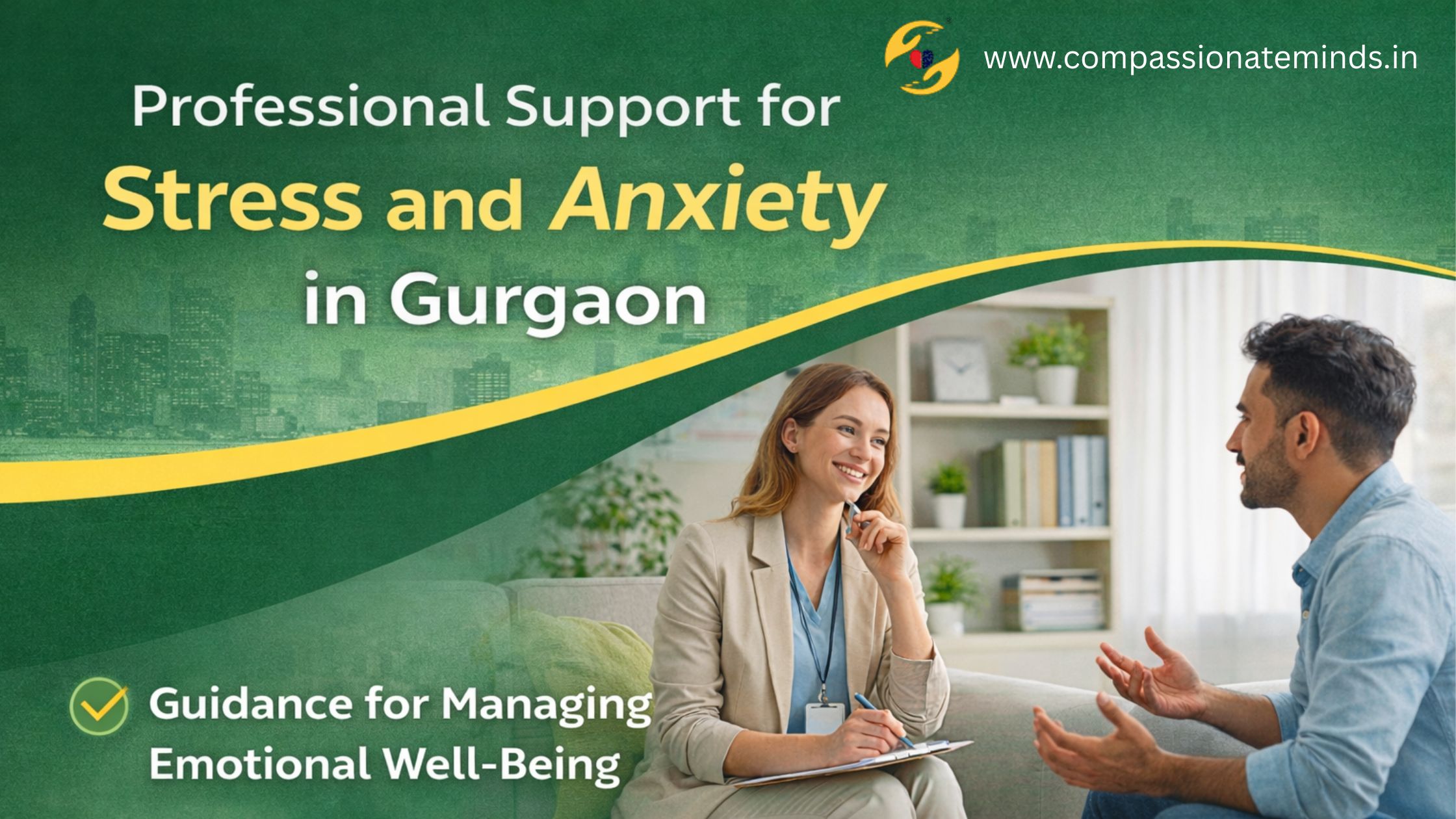
Modern urban life brings opportunities yet it also introduces emotional pressure that many individuals struggle to manage. Long working hours constant digital engagement rising expectations and lifestyle transitions often create persistent mental strain that slowly affects emotional balance. Many individuals begin their search for professional guidance by consulting a Top Psychologist in Gurgaon because expert counselling helps identify emotional triggers and provides structured methods for managing stress effectively. Understanding how professional psychological care works can encourage individuals to take timely steps toward emotional stability and long-term mental wellness.
Understanding Stress in the Modern Lifestyle
Stress is a natural response that prepares the body to face challenges. Short-term stress can motivate action and improve performance. However prolonged stress begins to affect sleep energy levels emotional stability and physical health. When stress becomes chronic individuals may experience fatigue irritability reduced concentration emotional withdrawal and declining productivity. Over time these symptoms influence relationships professional growth and self-confidence.
Urban lifestyles often expose individuals to continuous stimulation from work deadlines social media comparison financial responsibilities and limited relaxation time. Without proper coping strategies emotional pressure accumulates and gradually develops into anxiety related difficulties. Professional counselling helps individuals recognize these patterns early so that they can prevent long-term psychological complications.
What Is Anxiety and Why It Develops
Anxiety is a persistent state of worry or fear that may appear even when no immediate danger exists. While occasional anxiety is normal ongoing anxiety can interfere with daily functioning. People experiencing anxiety may notice racing thoughts restlessness muscle tension difficulty sleeping or constant anticipation of negative outcomes. Some individuals may also avoid certain situations due to fear which further increases emotional discomfort.
Anxiety often develops from a combination of biological predisposition environmental stress past experiences and thinking patterns that magnify perceived threats. Professional therapy helps individuals understand these factors while teaching practical techniques that reduce the intensity of anxious responses. When individuals learn how anxiety operates they begin to regain control over their emotional reactions.
The Importance of Professional Psychological Support
Self-help practices such as meditation breathing exercises or physical activity can provide relief yet they may not address deeper emotional patterns that sustain stress or anxiety. Professional psychologists use evidence-based therapeutic methods that explore the underlying causes of emotional distress. Therapy sessions provide a safe confidential environment where individuals can discuss concerns openly without fear of judgment.
Through guided conversations therapists help clients identify thought patterns that increase worry recognize behavioral habits that maintain stress and learn strategies that promote emotional balance. Over time individuals develop healthier coping mechanisms that improve both psychological resilience and overall life satisfaction.
Early Counselling Improves Recovery
One of the most significant benefits of seeking professional help early is faster emotional recovery. When stress or anxiety remains untreated it can evolve into burnout depressive symptoms or chronic health concerns. Early counselling allows individuals to address emotional challenges before they become deeply rooted. It also equips them with coping skills that help manage future stress effectively.
Early intervention does not mean that a person must wait for severe distress before seeking help. Many individuals consult psychologists simply to improve emotional awareness strengthen confidence or navigate life transitions such as career changes relocation or relationship adjustments. Counselling supports both recovery and personal development.
What Happens During Therapy Sessions
Many people hesitate to start counselling because they are unsure about the therapy process. The first session usually involves an assessment where the psychologist listens to the client’s experiences concerns and goals. This conversation helps the therapist understand the emotional context of the individual’s life. Based on this understanding a personalized therapy plan is created.
Subsequent sessions focus on exploring emotional triggers identifying unhelpful thinking patterns and practicing coping techniques. Therapists may introduce relaxation training cognitive restructuring exercises behavioral experiments or communication skills development depending on the client’s needs. Therapy is collaborative which means progress occurs through active participation rather than passive listening.
Common Sources of Stress in Urban Settings
Stress can originate from many life situations. Workplace competition performance pressure financial obligations academic demands relationship challenges or family responsibilities are among the most common contributors. Digital lifestyles also play a role as constant connectivity reduces opportunities for mental rest. Individuals often feel compelled to respond immediately to messages or maintain an online presence which increases cognitive overload.
Professional counselling helps individuals examine how these factors interact with personal expectations and beliefs. Once individuals understand the connection between external pressures and internal responses they can design realistic strategies for managing their workload boundaries and daily routines.
Building Emotional Resilience Through Therapy
Emotional resilience refers to the ability to recover from setbacks and maintain stability during challenging circumstances. Therapy strengthens resilience by helping individuals develop flexible thinking emotional awareness and problem-solving skills. Clients learn how to respond calmly to stressful events instead of reacting impulsively. They also practice reframing negative thoughts so that challenges are viewed as manageable situations rather than overwhelming threats.
Resilience training in therapy often includes mindfulness practices grounding techniques structured goal setting and gradual exposure to feared situations. As individuals apply these skills repeatedly they experience increased confidence in handling difficult moments. This confidence gradually reduces anxiety levels and enhances overall emotional well-being.
The Role of Lifestyle Habits in Mental Wellness
Psychological therapy works most effectively when supported by healthy lifestyle habits. Regular sleep patterns balanced nutrition consistent physical activity and scheduled relaxation time contribute significantly to emotional stability. Therapists often guide clients in developing daily routines that encourage mental recovery after stressful tasks. Simple practices such as short breathing breaks digital detox periods or evening reflection exercises can make a noticeable difference.
Supportive social connections also play a vital role in emotional health. Spending meaningful time with trusted friends or family members provides emotional comfort and reduces feelings of isolation. Counselling helps individuals strengthen communication skills so that they can build deeper supportive relationships.
Overcoming the Stigma Around Counselling
Although awareness about mental health has grown many individuals still hesitate to seek counselling due to social stigma or misconceptions. Some people believe therapy is necessary only for severe mental illness while others fear that seeking help indicates weakness. In reality counselling is a proactive approach to maintaining emotional health just as routine medical checkups maintain physical health.
When individuals openly discuss their positive therapy experiences social attitudes gradually shift toward acceptance. Workplaces educational institutions and community organizations are increasingly promoting mental wellness programs which further normalize psychological support. This cultural shift encourages more individuals to access professional care at an earlier stage.
Long-Term Benefits of Psychological Counselling
Individuals who participate in consistent therapy often report improved concentration stronger decision-making ability enhanced self-confidence and healthier relationships. Counselling not only reduces immediate distress but also equips individuals with lifelong coping strategies that remain useful across changing life situations. As emotional awareness grows individuals become better prepared to manage uncertainties setbacks and responsibilities without feeling overwhelmed.
Long-term psychological care also contributes to physical health improvements. Reduced stress levels support better sleep quality stable energy levels and improved immune functioning. Emotional well-being and physical health are closely connected which means that psychological care indirectly enhances overall quality of life.
Moving Toward Emotional Balance and Growth
Taking the first step toward counselling can feel uncertain yet it often becomes one of the most meaningful decisions in a person’s life. Professional therapy offers a structured pathway for understanding emotions developing coping strategies and building resilience that lasts beyond immediate challenges. With consistent guidance individuals gradually move from emotional confusion toward clarity confidence and stability. For those seeking structured professional help specialized Gurugram stress and anxiety counselling provides practical therapeutic approaches that support emotional recovery strengthen resilience and promote lasting psychological wellness.
 Mobile No. : +91-9151006808